
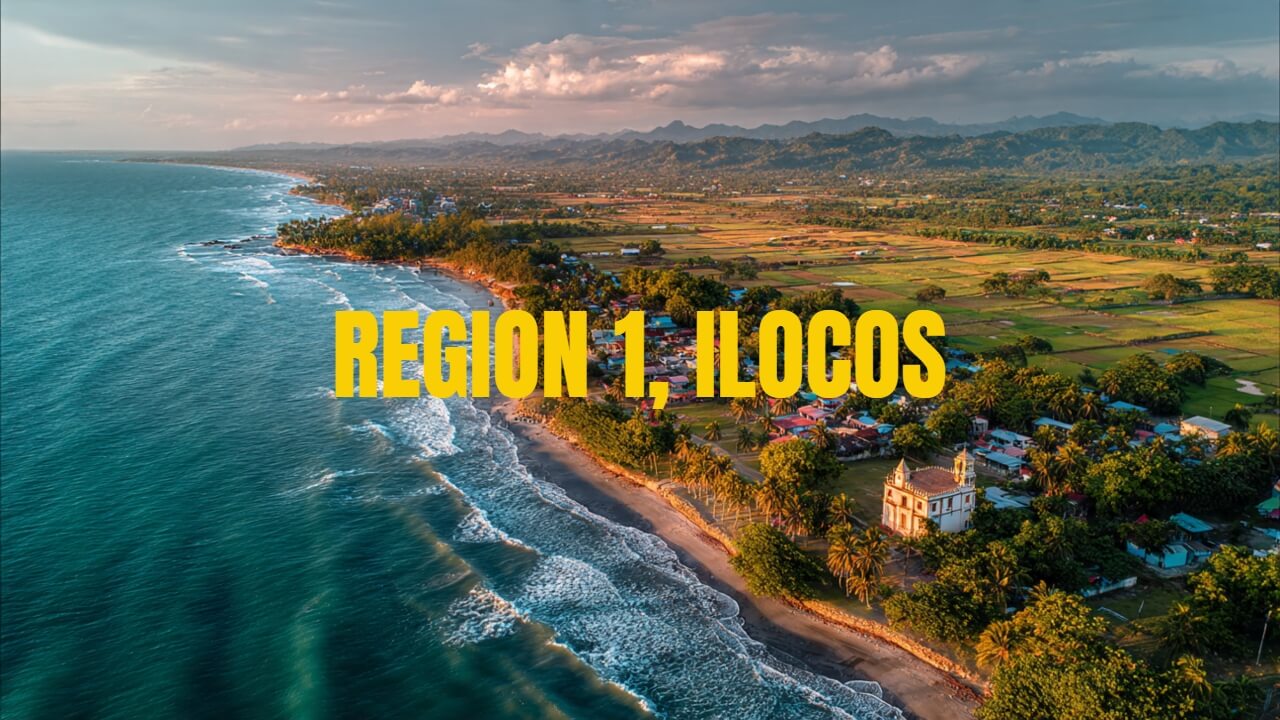
Region I, commonly known as the Ilocos Region, is situated in the northwestern part of Luzon, Philippines. Comprised of four provinces, namely Ilocos Norte, Ilocos Sur, La Union, and Pangasinan, this region boasts breathtaking landscapes, rich cultural heritage, and warm hospitality. Ilocos Norte is renowned for its beautiful beaches, historic churches, and the iconic windmills located in Bangui.
FTC Disclosure: www.i-travelph.com may receive financial compensation when the affiliate link(s) on this page are clicked on, and a purchase is made.
Region I
Ilocos Sur is home to the UNESCO World Heritage Site of Vigan, boasting meticulously preserved Spanish colonial architecture. La Union is a haven for surfers with its famous waves, while Pangasinan is renowned for the Hundred Islands National Park and the enchanting Patar Beach. The Ilocos Region not only offers a glimpse into the Philippines’ vibrant history but also provides visitors with a diverse range of natural wonders to explore, making it a must-visit destination for both local and international travelers.
City, Town, and Barangay
To fully immerse oneself in the abundant history and cultural heritage of Region I, Ilocos, a great starting point is to delve into the diverse cities, towns, and barangays that define this dynamic region. From the colonial heritage of Vigan City to the natural beauty of Pagudpud town, each place offers a unique glimpse into the past and present of Ilocos.
Region 1, Ilocos Overview
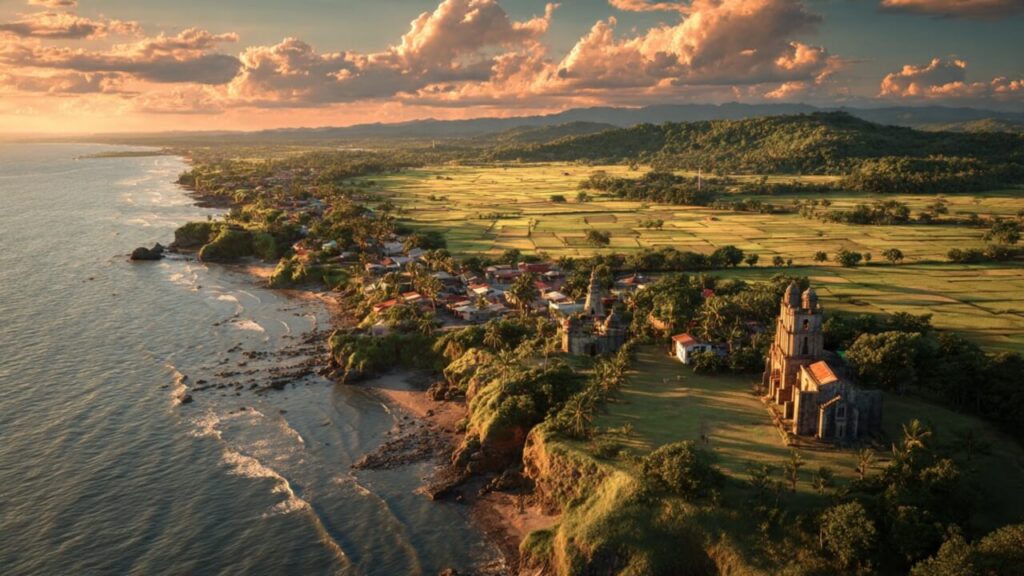
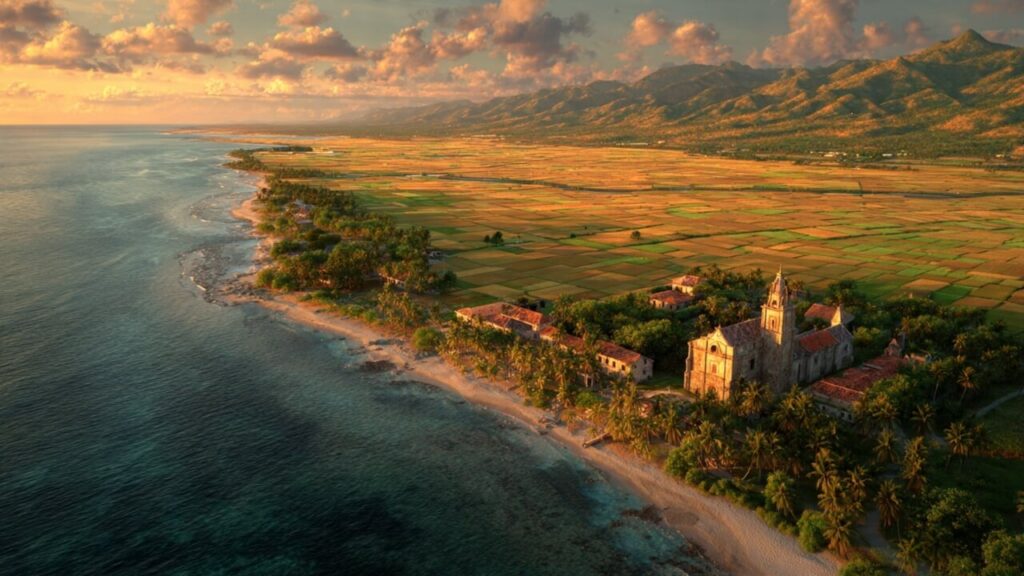
Region I, also known as the Ilocos Region, is located in the northwest part of Luzon, the largest island in the Philippines. The region comprises four provinces: Ilocos Norte, Ilocos Sur, La Union, and Pangasinan. Each province has its own distinct character and charm, making Region I a diverse and fascinating destination for travelers.
Read:
Geographical Location
Situated along the western coast of Luzon, Region I boasts stunning beaches, rolling hills, and lush forests. The region is acknowledged for its strong Spanish influence, evident in its architecture, cuisine, and traditions. From the cobblestone streets of Vigan to the beautiful coastline of Pagudpud, Region I offers a mix of natural and cultural attractions for visitors to enjoy.
Climate: Region I
The climate in Region I is tropical, with two distinct seasons. The dry season is from November to April, and the wet season is from May to October. The region experiences occasional typhoons during the rainy season, but the rest of the year offers pleasant weather for exploring the sights and sounds of Ilocos.
Rich History of Ilocos
Ilocos boasts a deep historical heritage that traces back to pre-colonial eras, when it was home to native tribes. The arrival of the Spanish in the 16th century brought about significant changes to the region, including the introduction of Christianity and European architecture. Today, the colonial influence is still seen in churches, ancestral houses, and cobblestone streets of towns like Vigan and Laoag.
Colonial Heritage Influence
The colonial heritage of Ilocos is preserved in its well-preserved Spanish-era buildings, such as the UNESCO World Heritage-listed town of Vigan. Walking through the streets of Vigan feels like stepping back in time, with its beautiful plazas, old churches, and ancestral homes. The colonial influence is also evident in the region’s cuisine. Dishes like bagnet and empanada are popular choices among locals and tourists alike.
Region I: Historical Landmarks
Aside from its colonial heritage, Ilocos boasts several historical landmarks that reflect its rich history. From the Paoay Church, a UNESCO World Heritage Site, to the Malacañang of the North, a presidential residence-turned-museum, there are plenty of sites to explore for history buffs and culture enthusiasts.
Natural Reserves and Parks
Ilocos is blessed with natural beauty, from the pristine beaches of Pagudpud to the scenic landscapes of the Cordillera Mountains. Nature lovers will appreciate the region’s national parks and reserves, such as the Bangui Windmills and the Patapat Viaduct, which offer stunning views of the surrounding countryside.
Culture and Traditions: Region I
The culture of Ilocos is a vibrant tapestry of traditions, practices, and beliefs passed down through generations. From the colorful festivals and celebrations that take place throughout the year to the unique arts and crafts produced by local artisans, there is no shortage of cultural experiences to enjoy in Ilocos.
Culinary Delights and Food Markets
No visit to Ilocos would be complete without sampling the region’s culinary delights. From traditional dishes like pinakbet and igado to street food favorites like cornick and bagnet, there is something to satisfy every palate in Ilocos. Be sure to visit the local food markets. To sample fresh produce, seafood, and other goodies that showcase the region’s agricultural heritage.
Iconic Landmarks and Monuments
Ilocos boasts numerous iconic landmarks and monuments that are definitely worth exploring. From the Cape Bojeador Lighthouse, the highest lighthouse in the Philippines. To the Marcos Museum and Mausoleum, which honors the controversial former president Ferdinand Marcos. There are plenty of sites to explore for history buffs and architecture enthusiasts alike.
Off-the-Beaten-Path Gems
Ilocos offers a multitude of options for travelers seeking to explore lesser-known destinations. From hidden waterfalls and caves to remote beaches and mountain trails, there are endless opportunities for adventure in this diverse region. Be sure to ask locals for recommendations on the best places to explore off the beaten path.
#sponsored
Traditional Festivals and Celebrations
Ilocos is renowned for its vibrant festivals and celebrations that highlight the area’s diverse culture and deep-rooted traditions. From the colorful street parades of the Pamulinawen Festival to the traditional dances and music of the Kannawidan Festival, there is always something to celebrate in Ilocos. Be sure to check the local calendar for upcoming events and festivities during your visit.
Cultural Events and Performances
In addition to its festivals and celebrations, Ilocos also hosts cultural events and performances throughout the year. From traditional music and dance shows to art exhibitions and theater productions, there is no shortage of cultural experiences to enjoy in this vibrant region. Be sure to check local listings for upcoming events during your stay.
# sponsored
| ACCOMMODATION | ACCOMMODATION |
| AGODA | HILTON |
| EXPEDIA | PARTNERIZE |
Transportation Options and Accommodation Choices
Getting around Ilocos is easy thanks to a variety of transportation options, including buses, tricycles, and rental cars. For longer journeys, consider hiring a private driver or joining a guided tour to explore the region’s many attractions. When it comes to accommodation, there are plenty of choices ranging from budget-friendly guesthouses. Luxury resorts that ensure every traveler can find a comfortable place to stay in Ilocos.
#sponsored
| PRODUCTS | PRODUCTS |
| EBAY | IMPACT |
| LINKSHARE | PAIDONRESULTS |
Final Thoughts: Region I
Ilocos is a region of contrasts, where modernity and tradition coexist in perfect harmony. Whether you’re exploring the historic streets of Vigan, relaxing on the beaches of Pagudpud, or sampling the local cuisine in Laoag, there is something for everyone to enjoy in Ilocos. So, pack your bags, hit the road, and discover the beauty and culture of Region I, Ilocos, for yourself!
FTC Disclosure: www.i-travelph.com may receive financial compensation when the affiliate link(s) on this page are clicked on, and a purchase is made.
#sponsored